




Influencer marketing has moved well beyond simple sponsored posts. Today’s most effective campaigns are creative, interactive, and built around genuine value for both the audience and the creator, not just a paid shoutout. Brands that treat influencer partnerships as one-off transactions tend to see short-lived results, while those that build thoughtful, well-structured campaigns often see lasting gains in awareness, trust, and sales.
If you’re planning your next influencer strategy, here are 20 campaign ideas — ranging from simple and budget-friendly to more ambitious, long-term partnerships — to help you get more value out of every collaboration.
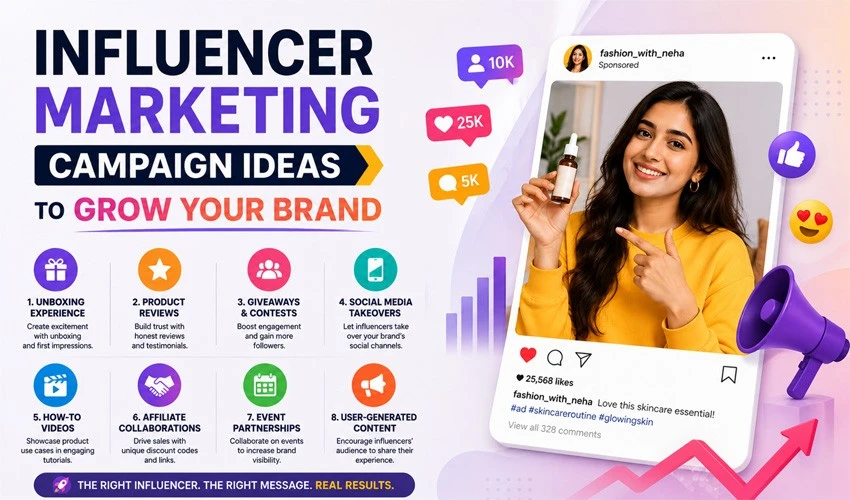
1. Unboxing and First Impressions
Unboxing videos remain one of the most reliable formats in influencer marketing because they feel authentic and unscripted. Send your product to a creator and let them film their genuine, unfiltered reaction as they open the package and try it for the first time. This works especially well for physical products with strong packaging or a “wow” factor, such as beauty sets, tech gadgets, or subscription boxes.
2. Day-in-the-Life Integration
Rather than a standalone promotional post, ask influencers to naturally weave your product into a “day in my life” style video. This format performs well because it shows your product being used in a realistic context, helping viewers imagine it fitting into their own routine rather than feeling like they’re watching an advertisement.
3. Before-and-After Transformations
For products with visible results — skincare, fitness equipment, home organization tools, or cleaning products — a before-and-after format can be extremely persuasive. Ask creators to document a short transformation journey using your product, ideally over a period of days or weeks rather than a single use, to make the results feel credible.
4. Discount Codes and Trackable Links
Give each influencer a unique discount code or trackable link. This is one of the simplest ways to measure direct ROI from a campaign, since you can see exactly how many sales or sign-ups came from each creator. It also gives influencers a personal incentive to promote your brand more enthusiastically, since better performance often reflects well on them too.
5. Co-Created Product Lines
Partnering with an influencer to design or curate a limited-edition product — whether it’s a clothing collaboration, a flavor variant, or a curated bundle — creates genuine excitement because it feels exclusive and creator-driven rather than brand-driven. These campaigns often generate strong media coverage and social buzz around the launch itself, in addition to ongoing sales.
6. Takeover Campaigns
Let an influencer “take over” your brand’s social media account for a day or a specific event. This gives your audience fresh content and personality while exposing the influencer’s own followers to your brand handle when they share that they’re hosting the takeover. It works particularly well for events, product launches, or behind-the-scenes access.
7. Giveaways and Contests
Partnering with an influencer on a giveaway is a proven way to rapidly grow followers and engagement. Structure the entry requirements to include following your account, tagging friends, and sharing the post, which naturally expands your reach beyond the influencer’s existing audience. Just be sure the prize is relevant to your brand so you attract genuinely interested entrants rather than prize-hunters.
8. Affiliate and Long-Term Ambassador Programs
Rather than a single campaign, consider building an ongoing ambassador relationship with a handful of creators who genuinely align with your brand values. Long-term partnerships tend to feel more authentic to audiences, since repeated, consistent endorsement builds more trust than a single sponsored post ever could.
9. User-Generated Content Challenges
Launch a branded hashtag challenge and ask influencers to kick it off by demonstrating a specific action, dance, recipe, or creative use of your product. Encourage their followers to participate and create their own versions. This can generate a wave of organic user-generated content that extends your reach far beyond the initial influencer’s audience.
10. Behind-the-Scenes Content
Invite an influencer into your office, factory, or studio to document how your product is made or how your team operates. This type of content builds transparency and trust, and it also gives audiences a more personal connection to your brand story, beyond just the product itself.
11. Live Shopping Events
Livestream shopping, where an influencer showcases and demonstrates products in real time while viewers can purchase directly through the stream, has become an increasingly popular format. It combines the immediacy of live interaction with the convenience of instant purchasing, and it works especially well for fashion, beauty, and lifestyle brands.
12. Product Comparison and Review Videos
Ask an influencer to honestly compare your product against competitors or alternative solutions. While this requires confidence in your product’s strengths, a well-executed, balanced comparison can be far more persuasive than a purely promotional post, since audiences tend to trust reviews that acknowledge trade-offs.
13. Q&A and AMA Sessions
Host a live “ask me anything” session where an influencer answers audience questions about your product or industry. This format works particularly well for categories where consumers have genuine questions or hesitations, such as skincare ingredients, financial products, or health and wellness items.
14. Micro-Influencer Swarm Campaigns
Instead of investing your entire budget in one or two large influencers, consider working with a large group of micro-influencers simultaneously. This “swarm” approach can create the impression that your product is suddenly everywhere, and micro-influencers often have stronger engagement rates and more niche, loyal audiences than larger creators.
15. Seasonal and Holiday Tie-Ins
Build campaigns around seasonal moments — festive gift guides, back-to-school routines, summer travel essentials, or New Year resolutions. Tying your campaign to a specific, relevant moment in the calendar gives influencers a natural hook and gives your brand a timely reason to be part of the conversation.
16. Educational and How-To Content
Rather than pure promotion, ask influencers to create genuinely useful tutorial content that happens to feature your product — a skincare routine, a recipe, a workout plan, or a productivity setup. Educational content tends to have a longer shelf life than purely promotional posts, since it continues to attract views and engagement well after the initial campaign period.
17. Charity and Cause-Driven Campaigns
Partner with influencers to support a cause aligned with your brand values, whether that’s donating a portion of sales, raising awareness for an issue, or supporting a specific charity drive. These campaigns can build meaningful brand affinity, provided the cause feels genuine rather than opportunistic.
18. Event Coverage and Activations
Invite influencers to cover a launch event, pop-up store, or brand activation in person. Their real-time posts, stories, and recap content can extend the reach of your event well beyond the people who physically attended, giving you an additional layer of coverage and social proof.
19. Cross-Platform Storytelling
Design a single campaign concept that unfolds differently across platforms — a longer YouTube video, a quick Instagram Reel, a series of Stories, and a short-form TikTok teaser — all tied together by the same influencer and narrative. This maximizes your reach across different audience habits while keeping messaging consistent.
20. Influencer-Led Community Building
Rather than a single campaign, invite an influencer to help build and moderate an ongoing community space — a private group, a recurring live series, or a members-only content series — centered around your brand or product category. This creates a deeper, more sustained relationship between your brand and your most engaged customers, well beyond the reach of any single post.
Making These Ideas Work for Your Brand
Not every idea on this list will suit every brand or budget, and that’s fine — the strongest influencer marketing strategies typically combine two or three formats rather than trying to do everything at once. A few principles apply across all twenty ideas:
- Match the format to the platform: A long-form YouTube review works differently than a fifteen-second Reel, so choose formats that fit naturally with where your target audience actually spends time.
- Prioritize authenticity over polish: Audiences are increasingly skeptical of overly scripted, heavily produced sponsored content. Give influencers creative freedom to present your product in their own voice rather than handing them a rigid script.
- Set clear, measurable goals before you start: Whether you’re optimizing for awareness, engagement, or direct sales, decide upfront what success looks like so you can accurately judge which formats and creators are delivering the best results.
- Build relationships, not just transactions: Influencers who genuinely like your product and enjoy working with your team tend to produce more compelling content than those treating the partnership as a one-time paid gig.
- Stay compliant with disclosure requirements: Make sure sponsored content is properly labeled according to relevant advertising standards, both to maintain audience trust and to stay on the right side of regulations.
Final Thoughts
Influencer marketing works best when it feels like a genuine collaboration rather than a paid advertisement wearing a creator’s face. The twenty ideas above offer a starting toolkit, but the real value comes from testing different formats, tracking what resonates with your specific audience, and gradually building a roster of creators who authentically represent your brand. Done well, influencer marketing doesn’t just generate a short-term spike in visibility — it builds lasting trust that compounds with every campaign that follows.