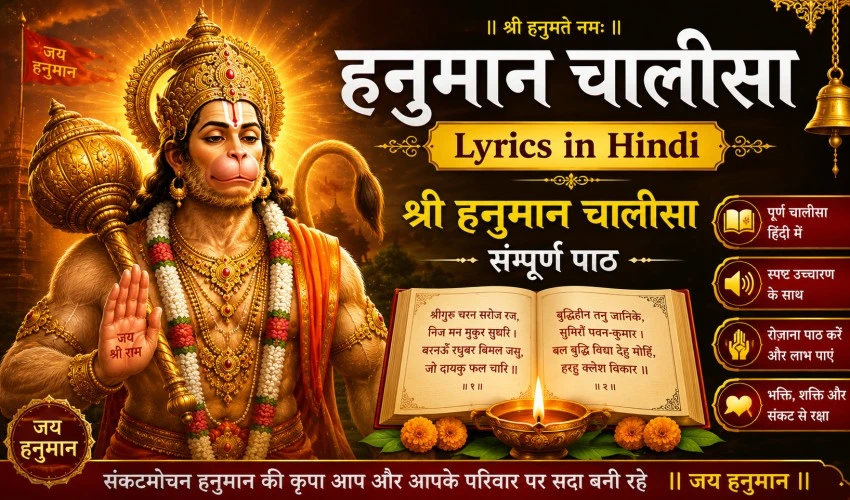









Among the many devotional hymns cherished across India, the Hanuman Chalisa holds a special place in the hearts of millions. Composed by the saint-poet Tulsidas in the 16th century, this forty-verse hymn (chalisa literally means “forty” in Hindi) is a passionate ode to Lord Hanuman, the embodiment of strength, devotion, humility, and unwavering loyalty. While the original text was written in Awadhi, a dialect closely related to Hindi, devotees across South India, especially Tamil Nadu, often prefer chanting it using Tamil script transliteration so that pronunciation feels natural and comfortable. This article brings you the complete Hanuman Chalisa lyrics in Tamil, along with its significance, meaning, and the benefits of reciting it regularly.
Who Was Hanuman and Why Is the Chalisa So Popular?
Lord Hanuman is one of the most beloved deities in Hindu mythology, revered as the perfect devotee of Lord Rama. His unmatched strength, intelligence, celibacy, and complete surrender to Rama make him a symbol of ideal devotion (bhakti). Stories from the Ramayana depict Hanuman crossing oceans, lifting mountains, and battling demons, all in service of his beloved Lord Rama and Mother Sita. It is this selfless devotion that inspired Tulsidas to compose the Hanuman Chalisa, a hymn that captures Hanuman’s glory, valor, and divine qualities in just forty simple yet powerful verses, bookended by two dohas (couplets).
The popularity of the Hanuman Chalisa stems from its simplicity. Unlike more complex Sanskrit stotras, this hymn was composed in a folk language, making it accessible to common people. Over centuries, it has been translated and transliterated into virtually every Indian language, including Tamil, so that devotees who may not read Hindi or Devanagari script can still chant it with the same devotion and correct pronunciation.
The Significance of Reciting the Hanuman Chalisa in Tamil
For Tamil-speaking devotees, reciting prayers in a script they are fluent in makes the experience more intimate and meaningful. Reading the Hanuman Chalisa lyrics in Tamil helps devotees connect emotionally with the verses instead of struggling with unfamiliar Devanagari letters. It bridges the gap between regional linguistic comfort and universal spiritual practice. Many temples in Tamil Nadu, including prominent Hanuman shrines in Chennai, Namakkal (home to a majestic Hanuman idol), and Suchindram, encourage devotees to chant the Chalisa as part of their daily worship, often displaying the lyrics in Tamil for easy access.
Hanuman Chalisa Lyrics in Tamil (ஹனுமான் சாலிசா தமிழ் வரிகள்)
தோஹா:
ஸ்ரீ குரு சரண சரோஜ ரஜ, நிஜ மனு முகுரு சுதாரி பரணௌ ரகுபர பிமல ஜசு, ஜோ தாயகு பல் சாரி
புத்திஹீன் தனு ஜானிகே, சுமிரௌ பவன குமார் பல புத்தி வித்யா தேஹு மோஹி, ஹரஹு கலேச பிகார்
சௌபாய்:
ஜெய ஹனுமான ஞான குண சாகர் ஜெய கபீச் திஹு லோக் உஜாகர்
ராம தூத் அதுலித பல தாமா அஞ்ஜனி புத்ர பவன சுத நாமா
மஹாவீர் விக்ரம் பஜரங்கீ குமதி நிவார் சுமதி கே சங்கீ
கஞ்சன் வரண் பிராஜ் சுவேசா கானன் குண்டல் குஞ்சித கேசா
ஹாத் வஜ்ர அவுர் த்வஜா பிராஜே காந்தே மூஞ்ஜ ஜனேயு சாஜே
சங்கர் சுவன் கேசரி நந்தன தேஜ் பிரதாப் மஹா ஜக் வந்தன
வித்யாவான் குணி அதி சதுர் ராம் காஜ் கரிபே கோ ஆதுர்
பிரபு சரித்ர சுனிபே கோ ரசியா ராம லக்ஷ்மண் சீதா மன் பசியா
சூக்ஷ்ம ரூப் தரி சியாஹி திகாவா விகட் ரூப் தரி லங்க் ஜராவா
பீம் ரூப் தரி அசுர் சங்காரே ராமச்சந்திர கே காஜ் சவாரே
லாயே சஞ்சீவன் லக்ஷ்மண் ஜியாயே ஸ்ரீ ரகுவீர் ஹர்ஷி உர் லாயே
ரகுபதி கின்ஹி பஹுத் படாயீ தும் மம பிரிய பரதஹி சம் பாயீ
சஹஸ் பதன் தும்ஹரோ யஷ் காவே அஸ் கஹி ஸ்ரீபதி கண்ட் லகாவே
சனகாதிக் பிரம்மாதி முனீசா நாரத் சாரத் சஹித் அஹீசா
யம் குபேர் திக்பால் ஜஹான் தே கபி கோவித் கஹி சகே கஹான் தே
தும் உபகார் சுக்ரீவஹி கின்ஹா ராம மிலாயே ராஜ்பத் தின்ஹா
தும்ஹரோ மந்த்ர பிபீஷண் மானா லங்கேஸ்வர் பயே சப் ஜக் ஜானா
யுக் சஹஸ்ர யோஜன் பர் பானு லீல்யோ தாஹி மதுர் பல் ஜானு
பிரபு முத்ரிகா மேலி முக் மாஹி ஜலதி லாங்கி கயே அச்ரஜ் நாஹி
துர்கம் காஜ் ஜகத் கே ஜேதே சுகம் அனுக்ரஹ தும்ஹரே தேதே
ராம துவாரே தும் ரக்வாரே ஹோத் ந ஆஜ்ஞா பினு பைசாரே
சப் சுக லஹே தும்ஹாரி சர்னா தும் ரக்ஷக் காஹு கோ தர்னா
ஆபன் தேஜ் சம்ஹாரோ ஆபை தீனோன் லோக் ஹாங்க் தே காம்பை
பூத் பிசாச் நிகட் நஹி ஆவை மஹாவீர் ஜப் நாம் சுனாவை
நாசே ரோக் ஹரை சப் பீரா ஜபத் நிரந்தர் ஹனுமத் பீரா
சங்கட் சே ஹனுமான் சுடாவை மன் க்ரம் வசன த்யான் ஜோ லாவை
சப் பர் ராம் தபஸ்வீ ராஜா தின் கே காஜ் சகல் தும் சாஜா
ஔர் மனோரத் ஜோ கோயீ லாவை சோயீ அமித ஜீவன் பல் பாவை
சரோன் யுக் பரதாப் தும்ஹாரா ஹை பிரசித்த ஜகத் உஜியாரா
சாது சந்த் கே தும் ரக்வாரே அசுர் நிகந்தன் ராம் துலாரே
அஷ்ட சித்தி நவ நிதி கே தாதா அஸ் வர் தீன் ஜானகி மாதா
ராம் ரசாயன் தும்ஹாரே பாசா சதா ரஹோ ரகுபதி கே தாசா
தும்ஹாரே பஜன் ராம் கோ பாவை ஜனம் ஜனம் கே துக் பிசராவை
அந்த் கால் ரகுபர் பூர் ஜாயீ ஜஹான் ஜனம் ஹரி பக்த் கஹாயீ
ஔர் தேவதா சித்த ந தரேஹி ஹனுமத் சேயி சர்வ சுக கரேஹி
சங்கட் கடே மிடே சப் பீரா ஜோ சுமிரை ஹனுமத் பலபீரா
ஜெய ஜெய ஜெய ஹனுமான கோசாயீ கிருபா கரஹு குருதேவ் கி நாயீ
ஜோ சத பார் பாத் கர் கோயீ சுடேஹி பந்தி மஹா சுக ஹோயீ
ஜோ யே படே ஹனுமான் சாலீசா ஹோயே சித்தி சாக்ஷி கௌரீசா
துளசிதாஸ் சதா ஹரி சேரா கீஜை நாத் ஹ்ருதய மஹ தேரா
தோஹா:
பவன தனய சங்கட ஹரண, மங்கள மூர்த்தி ரூப் ராம லக்ஷ்மண சீதா சஹித், ஹ்ருதய பசஹு சுர பூப்
Note: This is a phonetic transliteration of the original Awadhi verses into Tamil script, meant to guide pronunciation for Tamil-speaking devotees. Minor regional variations in spelling may exist across different sources.
The Meaning Behind the Verses
The Hanuman Chalisa opens with a doha invoking blessings from the guru’s feet, seeking wisdom and purity of mind. The forty chaupais that follow describe Hanuman’s birth as the son of Anjani and Vayu (the wind god), his immense physical strength, his golden complexion, his unwavering devotion to Rama, and his heroic deeds, including flying across the ocean to Lanka, burning the demon city, carrying the Sanjeevani herb to save Lakshmana’s life, and standing guard at the gates of Rama’s abode. The hymn also touches on Hanuman’s role as a remover of obstacles, a protector from evil spirits and negative energies, a healer of ailments, and a giver of the eight siddhis (spiritual powers) and nine nidhis (forms of wealth). It closes with a doha requesting Hanuman to reside permanently in the devotee’s heart along with Rama, Lakshmana, and Sita.
Benefits of Chanting the Hanuman Chalisa
Devotees who recite the Hanuman Chalisa regularly, whether in the original Awadhi, Tamil transliteration, or any other language, often describe a range of spiritual and psychological benefits:
Removes fear and anxiety: The hymn is widely believed to instill courage and dispel fear, worry, and negative thoughts, especially when chanted during difficult or uncertain times.
Protects from negative energy: Traditionally, the Chalisa is chanted to ward off evil spirits, black magic, and malevolent influences, offering a sense of spiritual protection.
Improves focus and mental strength: The rhythmic repetition of the verses is said to calm the mind, improve concentration, and build inner resilience.
Physical and emotional healing: Many devotees chant it to seek relief from illness, stress, and emotional turmoil, trusting in Hanuman’s healing grace.
Fulfillment of desires: The hymn assures that sincere devotion and consistent recitation help devotees achieve their goals and overcome obstacles in life.
Spiritual growth: Regular chanting is considered a path to strengthening one’s bond with Lord Rama and Hanuman, fostering humility, discipline, and devotion.
Best Time and Way to Recite the Hanuman Chalisa
Traditionally, devotees recite the Hanuman Chalisa early in the morning after bathing, or in the evening during twilight hours, facing a Hanuman idol or picture. Tuesdays and Saturdays are considered especially auspicious for Hanuman worship. Some devotees chant it once a day, while others recite it multiple times, particularly during periods of hardship, seeking extra strength and protection. Lighting a lamp with sesame oil and offering vermillion (sindoor) or a garland of red flowers before chanting is a common practice in many households and temples.
While the words carry deep power on their own, what matters most to devotees is the sincerity and devotion behind the chanting. Whether read in Tamil, Hindi, English, or any other script, the essence of the Hanuman Chalisa remains the same: a heartfelt tribute to a deity known for boundless strength, unconditional loyalty, and selfless service.
Frequently Asked Questions
Is it necessary to know Hindi to chant the Hanuman Chalisa? No. Many devotees who are not fluent in Hindi chant the hymn using transliterations in their own script, such as Tamil, Telugu, Kannada, or English, without any loss of devotion or benefit.
How many times should the Hanuman Chalisa be recited daily? There is no fixed rule. Some devotees recite it once, while others chant it multiple times, especially in sets of seven, nine, or eleven, believing that repeated recitation amplifies its positive effects.
Can women recite the Hanuman Chalisa? Yes, the Hanuman Chalisa can be recited by anyone, regardless of gender, with sincere devotion.
Conclusion
The Hanuman Chalisa continues to inspire devotion across generations and languages. For Tamil-speaking devotees, having access to the Hanuman Chalisa lyrics in Tamil script makes this timeless hymn even more accessible, allowing them to connect with Lord Hanuman’s grace in a language close to their heart. Whether chanted for protection, strength, peace of mind, or spiritual growth, the Hanuman Chalisa remains one of the most cherished devotional texts in Indian tradition.