







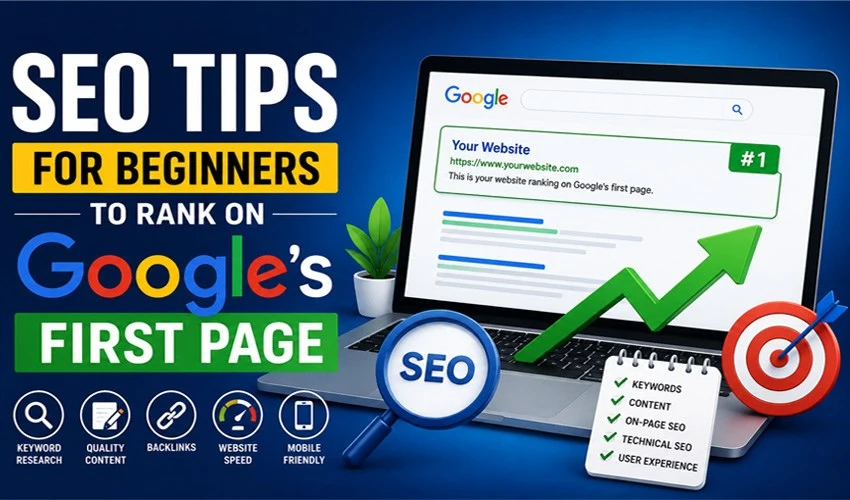
If you have ever built a website, launched a blog, or started an online store, you have probably asked the same question every beginner asks: how do I actually get this to show up on Google? With billions of searches happening every single day, ranking on the first page is one of the most powerful ways to attract free, consistent traffic. But SEO (Search Engine Optimization) can feel overwhelming when you’re just starting out, especially with algorithms constantly evolving and AI-powered search results now sitting above traditional organic listings.
The good news is that the fundamentals of SEO haven’t changed as much as people think. Google still wants to reward pages that are genuinely helpful, well-structured, and trustworthy. This guide breaks down the essential SEO tips every beginner needs to know to start climbing the rankings.
1. Understand Search Intent Before You Write Anything
Before you type a single word of content, figure out why someone is searching for your target keyword. Are they looking for information, trying to compare products, or ready to make a purchase? Google’s ranking systems are built to match searchers with the most relevant result, so a page that misreads intent will struggle no matter how well it’s written.
For example, someone searching “best running shoes” is likely comparing options, while someone searching “buy Nike Pegasus 41” is ready to buy. Writing a long educational article for the second search, or a hard sales pitch for the first, is a mismatch that hurts your chances of ranking. Spend a few minutes looking at the top-ranking pages for your target keyword and notice their format, tone, and depth — that’s a strong clue about what Google believes searchers want.
2. Do Simple, Practical Keyword Research
You don’t need expensive software to get started with keyword research. Free tools like Google’s own autocomplete suggestions, the “People also ask” boxes, and related searches at the bottom of a results page can reveal exactly what your audience is typing into Google. Paid tools such as Ahrefs, SEMrush, or Ubersuggest can add more depth once you’re ready to invest, but beginners can get remarkably far with free resources alone.
Look for keywords that are specific rather than broad. A phrase like “SEO tips for small business blogs” is easier to rank for than simply “SEO,” because it faces less competition and attracts a more targeted audience. These longer, more specific phrases are often called long-tail keywords, and they are usually the fastest path to first-page rankings for new or smaller websites.
3. Write Genuinely Helpful, In-Depth Content
Content quality remains the single biggest factor in modern SEO. Thin, generic articles that simply repeat what’s already ranking rarely perform well. Instead, aim to create content that is more useful, more specific, or more current than what’s already available. That might mean adding original examples, clearer step-by-step instructions, updated statistics, or insights based on real experience.
Depth matters too. While there’s no magic word count that guarantees rankings, thorough content that fully answers a searcher’s question tends to outperform shallow posts. The goal isn’t to pad your article with fluff, but to make sure you’re not leaving obvious follow-up questions unanswered. If your competitors cover five points, and you cover eight with more clarity, you’ve given Google — and your readers — more reason to choose your page.
4. Get Your On-Page SEO Basics Right
On-page SEO refers to the elements you control directly within your content and HTML. A few fundamentals go a long way:
- Title tags: Include your primary keyword naturally near the beginning of your page title, and keep it compelling enough that people actually want to click.
- Meta descriptions: While these don’t directly boost rankings, a well-written meta description improves your click-through rate, which indirectly signals relevance to search engines.
- Headings (H1, H2, H3): Use a clear heading structure so both readers and search engines can quickly understand how your content is organized.
- Keyword placement: Mention your main keyword early in the content, ideally within the first couple of sentences, so search engines and readers immediately understand what the page is about. Repeat it naturally throughout the piece, along with related terms and synonyms, without forcing it in unnaturally.
- Image alt text: Describe your images accurately. This helps with accessibility and can also drive traffic through image search.
5. Focus on Site Structure and Internal Linking
A well-organized website helps both users and search engine crawlers find your best content. Beginners often overlook this, but building a logical structure — sometimes called a topic cluster or content silo — can significantly boost your visibility over time. This typically means creating one comprehensive “pillar” page on a broad topic, then linking out to more specific, related articles that dive deeper into subtopics.
Internal linking, where you link from one page on your site to another relevant page, helps distribute authority throughout your website and keeps visitors engaged for longer. As a simple rule of thumb, try to make sure every important page on your site can be reached within a few clicks from your homepage.
6. Prioritize Technical SEO Fundamentals
Even the best-written content won’t rank if your website has technical problems preventing search engines from properly crawling and indexing it. As a beginner, you don’t need to become a developer, but you should understand a few core technical basics:
- Site speed: Slow-loading pages frustrate users and can hurt rankings. Tools like Google PageSpeed Insights can help you identify what’s slowing your site down, whether it’s unoptimized images, excessive scripts, or a poor hosting setup.
- Mobile-friendliness: Since Google primarily indexes the mobile version of websites, your site needs to look and function well on smartphones, not just desktop computers.
- HTTPS security: A secure connection is now considered a baseline requirement, not a bonus.
- Crawlability: Make sure important pages aren’t accidentally blocked by your robots.txt file or a stray “noindex” tag. Google Search Console is a free tool that lets you check exactly how Google sees your site and flags any indexing issues.
- Structured data: Adding schema markup helps search engines understand exactly what type of content is on a page, which can also help you earn rich results like star ratings or FAQ dropdowns in the search listings.
7. Build Genuine Authority and Trust
Google continues to place heavy emphasis on demonstrating real expertise, authority, and trustworthiness — often summarized as E-E-A-T (Experience, Expertise, Authoritativeness, and Trustworthiness). For beginners, this means a few things in practice:
- Show real experience where relevant. If you’re writing a product review, mention that you actually used the product. If you’re covering a technical topic, demonstrate hands-on familiarity rather than just repeating information from other sites.
- Cite credible sources and back up claims with accurate, up-to-date facts.
- Make sure your website has clear author information, an About page, and contact details. These trust signals matter more than many beginners realize.
- Earn backlinks from other reputable websites. A link from a trusted, relevant site acts as a vote of confidence in the eyes of search engines. Focus on creating content genuinely worth linking to, and consider guest posting or building relationships within your niche, rather than chasing shortcuts.
8. Pay Attention to User Experience
User experience has become deeply intertwined with SEO. If visitors land on your page and immediately leave because it’s cluttered with intrusive pop-ups, hard to navigate, or slow to load, that behavior sends a negative signal. A clean design, readable fonts, clear navigation, and fast load times all encourage visitors to stay longer, explore more pages, and eventually link to or share your content — all of which support better rankings over time.
9. Adapt to AI-Powered Search
One of the biggest shifts beginners need to understand today is that many searches now surface AI-generated summaries above traditional organic results. To be included as a source in these AI overviews, your content needs to be clear, well-structured, and genuinely authoritative on the topic. Practical tips include answering questions directly and concisely near the top of your content, using clear headings that mirror common questions, and structuring information in scannable formats like bullet points and numbered lists — all of which make it easier for both readers and AI systems to extract and understand your content.
10. Be Patient and Consistent
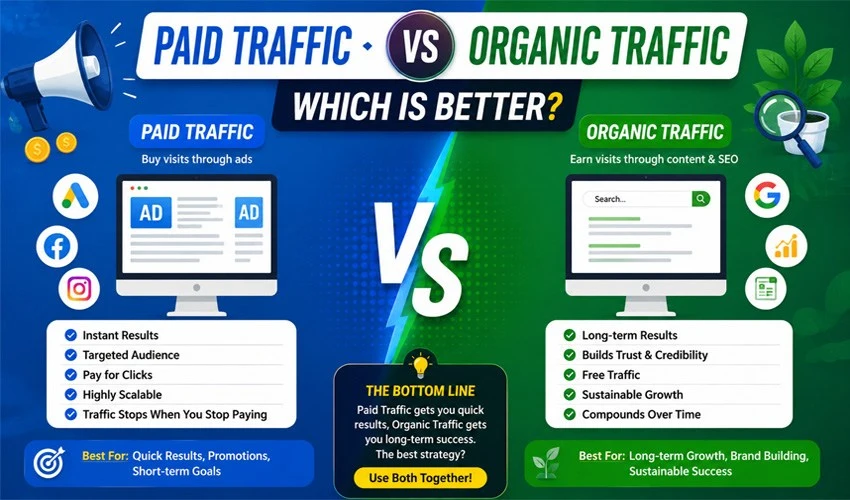
Perhaps the most important tip for beginners is understanding that SEO is a long-term strategy, not an overnight fix. New websites often take several months to build enough authority and trust to rank competitively, even with strong content and solid technical foundations. Rather than getting discouraged by slow initial progress, focus on consistently publishing helpful content, refining your technical setup, and building genuine relationships within your niche. Over time, these efforts compound, and unlike paid advertising, the traffic and visibility you earn through SEO continues working for you even when you’re not actively promoting.
Final Thoughts
Ranking on Google’s first page isn’t about chasing shortcuts or gaming an algorithm — it’s about consistently creating content that serves real people better than the competition, while making sure your website is technically sound and trustworthy. For beginners, the path forward is straightforward even if it isn’t always fast: understand what your audience is searching for, write content that truly helps them, structure your site cleanly, and keep building authority over time. Master these fundamentals, and the rankings will follow.