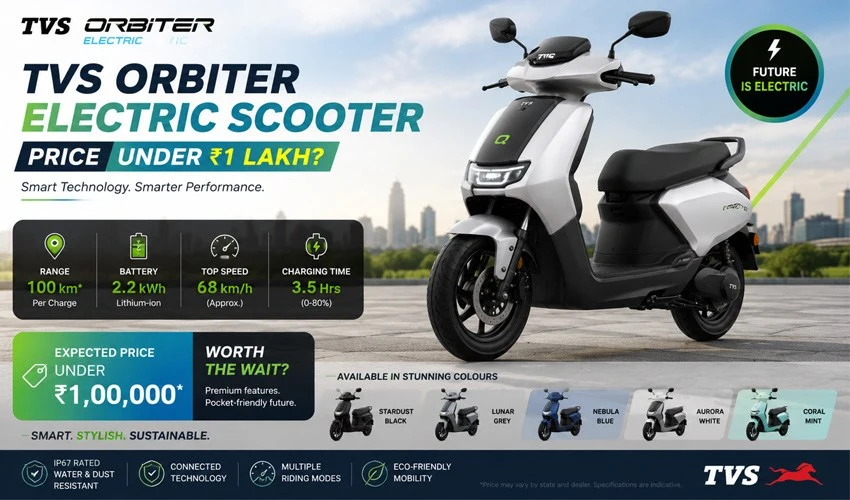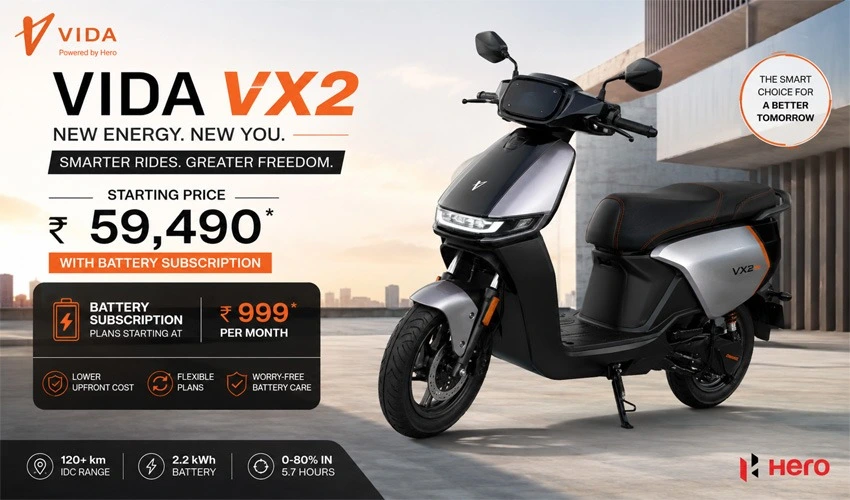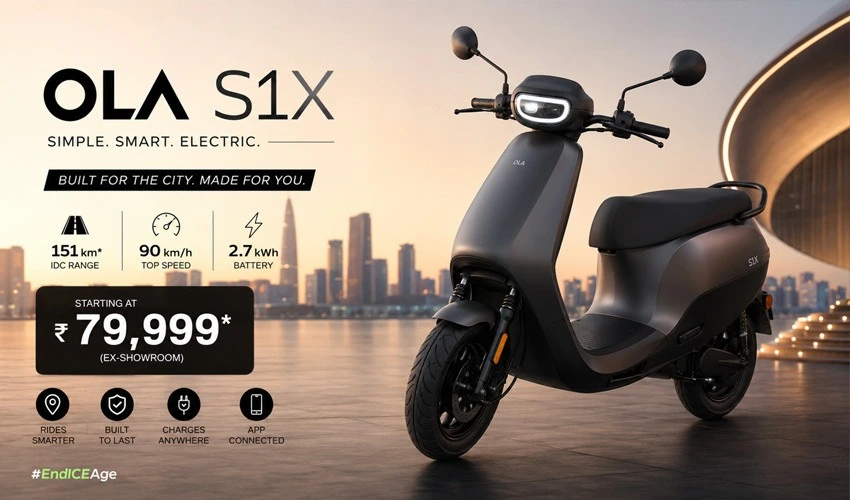








Petrol prices keep climbing, city traffic keeps getting worse, and more Indian riders are quietly switching to electric scooters for the daily grind — the office commute, the college run, the quick trip to the market. The good news is that you no longer need a big budget to make the switch. The sub-₹50,000 electric scooter segment has matured fast, and today it offers genuinely usable machines with decent range, lithium-ion batteries, and licence-free convenience — not just toy-like contraptions with lead-acid cells and 30 km range.
This guide walks you through what to look for, the best options currently available under ₹50,000, and how to avoid the common traps in this price bracket.
Why the Under-₹50,000 Segment Has Gotten So Good
A few years ago, an electric scooter under ₹50,000 usually meant a heavy lead-acid battery, a top speed you could beat on a bicycle, and a range that dropped off a cliff after six months of use. That’s changed for two main reasons.
First, battery costs have fallen sharply. Lithium iron phosphate (LFP) cell prices have dropped significantly over the past few years as manufacturing has scaled up in India and China, making lithium-ion packs affordable even in budget scooters — not just premium ones.
Second, government support has kept prices down. The PM E-DRIVE scheme (Prime Minister Electric Drive Revolution in Innovative Vehicle Enhancement), which replaced FAME-II in October 2024, offers a subsidy of ₹2,500 per kWh of battery capacity, capped at ₹5,000 per vehicle, on electric two-wheelers priced up to ₹1.5 lakh ex-factory. This benefit has been extended through July 31, 2026, though it’s fund-limited — once the allocated quota of roughly 24.8 lakh vehicles is used up, the subsidy could end earlier than that date. Only scooters with advanced battery chemistry (lithium-ion, LFP, or NMC) qualify; lead-acid models are excluded. If you’re shopping now, it’s worth checking with the dealer whether your chosen model is currently eligible.
What to Check Before You Buy
Battery chemistry matters more than the spec sheet price. Many budget scooters from lesser-known brands still use lead-acid batteries, which are cheaper upfront but typically last only 500–700 charge cycles — about two years of daily use before you notice a real drop in range. A lithium-ion pack costs a bit more but easily outlasts it, holds charge better in Indian summers, and weighs less, which also improves handling.
Licence and registration rules depend on speed. Under Indian motor vehicle rules, low-speed electric scooters with a top speed of 25 km/h or below don’t need a driving licence, RTO registration, or third-party insurance. This is a big part of the appeal in this price bracket — it’s why students, homemakers, senior citizens, and first-time riders gravitate toward these models. If you want something faster (35–45 km/h class), check the specific model’s classification before assuming it’s licence-free.
Real-world range is usually lower than the claimed figure. Brochures quote range under ideal test conditions. Expect 10–20% less in daily use, especially with a pillion rider, in stop-start traffic, or during peak summer heat.
After-sales network counts for a lot. A scooter that’s ₹2,000 cheaper isn’t a bargain if the nearest service centre is 40 km away. Favour brands with a wider dealer and service footprint in your city.
Charging time and warranty. Look for 4–6 hours of full charging time and at least a 2–3 year warranty on the battery and motor — reputable brands in this segment now commonly offer this.
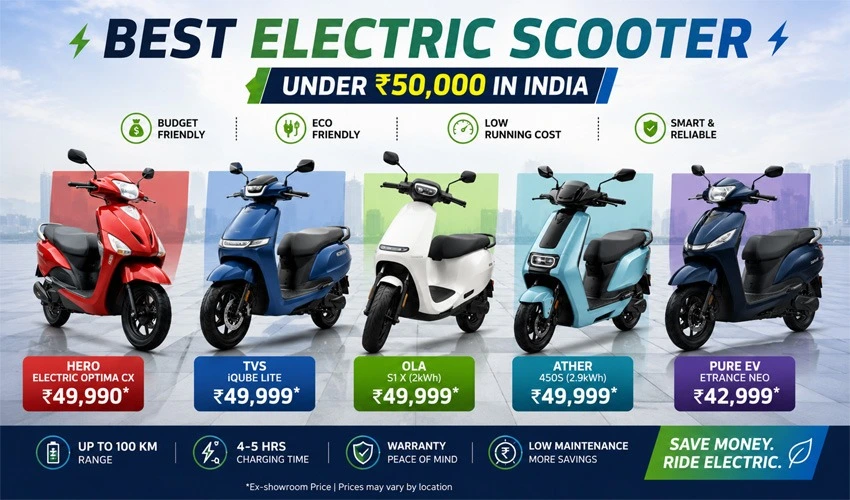
Top Electric Scooters Under ₹50,000 in India
Here’s a rundown of some of the strongest options currently available in this bracket. Prices are approximate ex-showroom figures and can vary by city and ongoing offers, so it’s worth confirming the latest price with your local dealer.
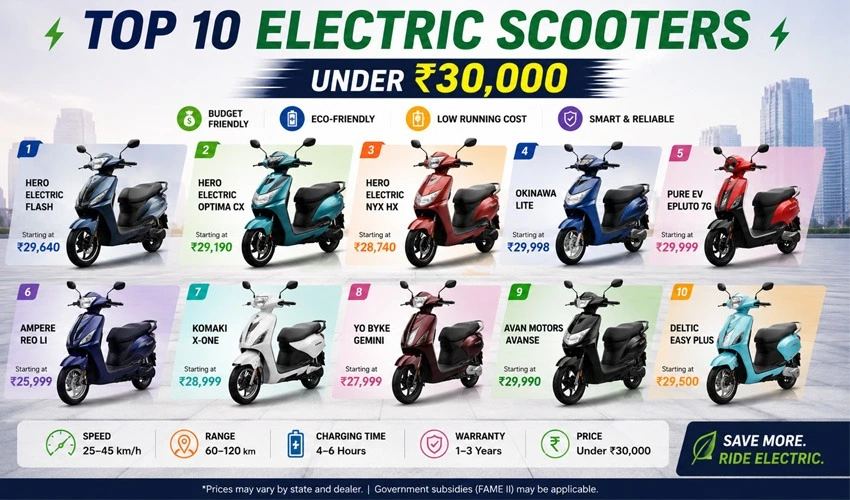
1. Komaki X-One (around ₹34,999) One of the most talked-about budget electric scooters right now, the X-One pairs a graphene-based battery with a claimed range upward of 60 km on a single charge. It’s a low-speed, licence-free scooter aimed squarely at short-to-medium daily commutes, and it comes with basic anti-theft and LED lighting features that are often missing at this price point.
2. Yakuza Neu (around ₹39,760) A compact, city-friendly scooter with a roughly 55 km range. It’s positioned as an easy first EV — light to handle, simple to charge overnight, and priced comfortably under ₹40,000.
3. Yakuza Rubie (around ₹38,080) Slightly cheaper than the Neu, with a similar range profile. A solid pick if your daily distance is modest and you want to keep upfront cost as low as possible while still getting a lithium-ion pack.
4. Yakuza Viraj (around ₹41,440) Sits a notch above the Rubie and Neu in styling and features, while staying well within the ₹50,000 ceiling. Worth cross-shopping if you want a slightly more premium feel from the same brand family.
5. Hero Flash LX (around ₹49,000) Backed by Hero’s established brand and service network, the Flash LX offers about 60 km of range with a low top speed of 25 km/h, keeping it licence-free. It’s a dependable option for teenagers, elderly riders, and anyone prioritising brand trust and easy servicing over outright performance.
6. Tunwal Mini Sports 63 (around ₹49,990) Right at the top of the budget, this model leans into a sportier design while staying affordable. It’s aimed at riders who want their scooter to look a bit more energetic without spending extra.
7. Zelio Zoop (around ₹42,088) A no-frills, practical commuter scooter that focuses on smooth ride quality and low running costs rather than flashy styling — a sensible pick for daily point-to-point use.
8. Greta Harper ZX Series-1 (around ₹41,999) Notable mainly for its styling, this model appeals to riders who want their EV to look distinctive on the road while still staying budget-friendly.
9. Odysse Electric HyFy, Evolet Pony, Ampere Xpress, and Gemopai Miso These round out the segment and are worth cross-checking on price-comparison sites, since availability and on-road pricing vary meaningfully by state due to differing road tax and subsidy rules.
Picking the Right One for How You Actually Ride
There isn’t a single “best” scooter here — the right choice depends on your daily distance and use case.
- Short city hops (under 15 km/day): Almost any lithium-ion model on this list, like the Komaki X-One or Yakuza Rubie, will comfortably handle this with charge to spare.
- Longer daily commutes (20–30 km/day): Prioritise the models with genuine 55–60 km rated range, and charge every night rather than every other day, to avoid deep-discharging the battery.
- Pillion riding regularly: Look for scooters with a stronger motor rating and a slightly larger battery, since carrying two people reduces both range and acceleration noticeably.
- First-time EV buyer wary of maintenance: Favour an established brand with wide service coverage — Hero and TVS-affiliated networks tend to have more service points than newer entrants, even if the newer brand’s spec sheet looks slightly better on paper.
A Word on the PM E-DRIVE Subsidy Window
If you’re on the fence, the subsidy timeline is a real factor. The scheme currently runs through July 31, 2026, for electric two-wheelers, but it’s capped by both a total vehicle quota and a total budget outlay. Government reporting through early 2026 suggests a significant share of that quota has already been used. If the allocated units are exhausted before July, the subsidy could close earlier than the stated deadline. It’s worth confirming with your dealer whether your shortlisted model is currently PM E-DRIVE eligible and getting the paperwork sorted at the time of purchase, since eligibility requires Aadhaar e-KYC and applies only to lithium-ion or equivalent advanced-chemistry batteries.
Final Thoughts
The under-₹50,000 electric scooter segment in India has moved well past “cheap and compromised.” With lithium-ion batteries now standard among the better brands, licence-free convenience for low-speed models, and a shrinking but still-active government subsidy, this is genuinely one of the best times to make the switch from petrol to electric for short and medium commutes. Match the scooter to your actual daily distance, don’t skimp on battery chemistry to save a few thousand rupees, and check the service network in your city before you commit — do that, and any of the models above will serve you well for years.
Note: Prices, specifications, and subsidy details for electric scooters change frequently in India. Always verify current pricing, on-road costs, and PM E-DRIVE eligibility directly with the dealership before purchase.