







India remains one of the fastest-growing and most dynamic smartphone markets in the world. With rapid adoption of 5G technology, greater consumer demand for premium devices, and fierce competition among domestic and international brands, the landscape is constantly evolving. Whether you’re planning your next phone purchase or just curious about who’s leading the charge, here’s an in-depth look at the Top 10 smartphone brands in India in 2025 based on market share, sales performance, brand impact, and consumer popularity.
1. Vivo — India’s Market Leader
Vivo has emerged as the top smartphone brand by market share in India in 2025, thanks to its strong portfolio of 5G devices across price segments. With around 16.5% market share, Vivo capitalized on innovative camera technology, stylish builds, and aggressive marketing to connect with both offline and online buyers.
Why Vivo Leads
- Strong camera performance, especially in mid-range phones
- Broad presence in offline retail channels
- Regular product launches appealing to young consumers
Vivo’s success illustrates the importance of blending feature-rich devices with competitive pricing in India’s value-oriented market.
2. Xiaomi — Affordable Powerhouse
Xiaomi holds the second spot with roughly 13.5% market share. Known for its value-for-money lineup, Xiaomi continues to attract users with devices that offer excellent performance, long battery life, and fast charging at budget prices.
Key Strengths
- Broad range from entry to premium models
- Strong online sales presence
- Popular sub-brands like Redmi and POCO
Although Xiaomi’s share has fluctuated with shifting consumer preferences, its balance of performance and price ensures it remains a top contender.
3. Samsung — Balanced Performance & Brand Trust
Samsung ranks third with nearly 12.9% market share, thanks to its diverse lineup spanning budget, mid-range, and premium segments. Known for quality hardware, AMOLED displays, and regular software updates, Samsung retains strong consumer trust.
Why Samsung Endures
- Solid after-sales support across India
- Broad device portfolio
- Strength in premium and mid-range segments
Samsung’s resilience in the Indian market highlights how brand legacy and customer service continue to matter alongside raw specs and pricing.
4. Realme — Youth-Focused Performance
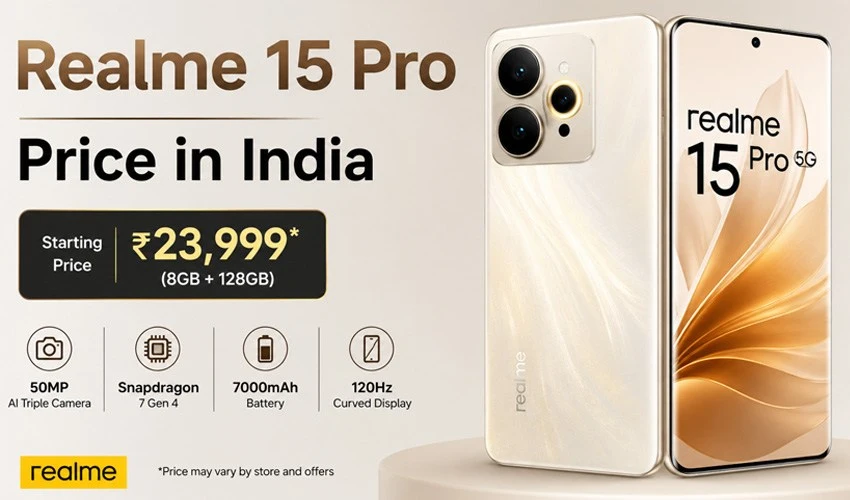
With around 12.6% market share, Realme ranks fourth in India’s smartphone market. Realme targets young buyers with powerful hardware, gaming-friendly features, and aggressive price points.
What Sets Realme Apart
- Speed and performance emphasis
- Trendy designs
- Strong appeal to youth demographic
Realme’s climb shows how crucial youth engagement and value propositions are in the Indian smartphone space.
5. OPPO — Style and Camera Innovation
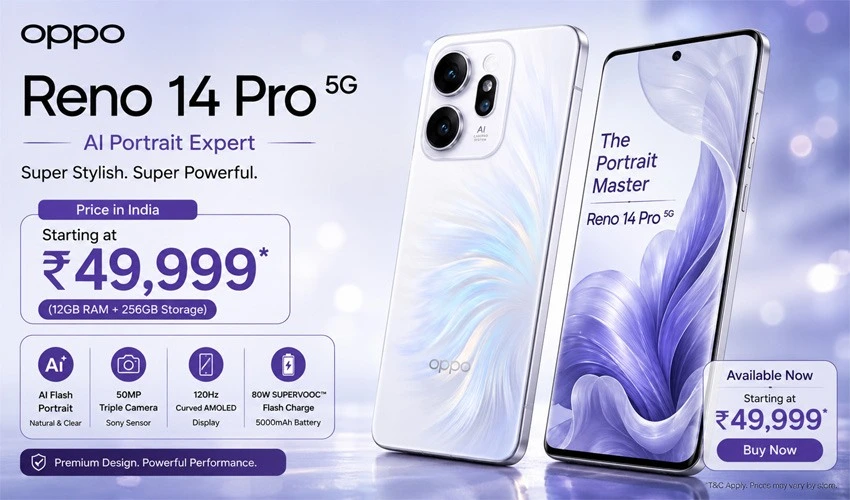
OPPO sits in the fifth position with about 11.5% market share. It stands out for its sleek designs and camera technology, especially for portrait and selfie photography.
OPPO’s Strengths
- Aesthetic design language
- Strong retail network
- Solid mid-range offerings
OPPO’s consistent performance reflects how a strong brand identity and design focus can influence buyer preferences.
6. Apple — Premium Segment Growth
Despite a smaller share compared to mass-market brands, Apple holds about 6.7% market share in India’s smartphone market. Apple’s iPhone lineup is a top choice in the premium segment, offering long software support and strong resale value.
Apple’s Advantages
- Premium build and ecosystem
- Loyal customer base
- Strong performance with iOS
Apple’s growth in India shows increasing consumer appetite for premium experiences and long-term value.
7. Motorola — Rising with Simplicity
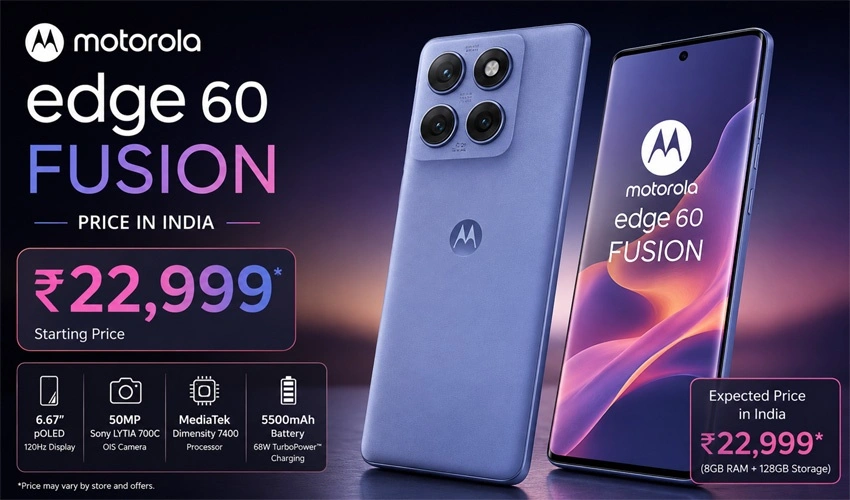
Motorola secures the seventh spot with around 6.2% share by offering clean Android experiences, reliable battery life, and straightforward usability.
Why Motorola Appeals
- Clean, near-stock Android UI
- Competitive pricing
- Strong battery performance
Motorola’s resurgence underscores the strength of simplicity and reliability in attracting everyday users.
8. POCO — Gaming & Performance Focus
POCO, Xiaomi’s performance-oriented sub-brand, retains about 5.7% market share by focusing on high refresh rate displays and powerful specs tailored for gamers and power users.
POCO’s Niche
- Gaming-centric devices
- High-end specs at competitive prices
- Tech-savvy audience appeal
POCO’s strategy highlights the potential of specialised sub-brands in capturing specific market segments.
9. OnePlus — Premium Android Experience
OnePlus holds around 4.4% market share, known for its premium build quality, fast software experience, and flagship-grade performance.
OnePlus Strengths
- Strong ecosystem of devices
- Smooth software experience
- Premium design
OnePlus continues to attract tech enthusiasts and professionals seeking top performance without extreme premium pricing.
10. iQOO — Gaming Performance & Speed
Rounding out the top ten, iQOO holds around 2.7% market share by targeting performance-oriented users with devices emphasising speed, powerful chipsets, and fast charging.
iQOO’s Edge
- Focus on performance and gaming
- Strong hardware specs
- Competitive pricing
While smaller in market share, iQOO’s dedicated approach to performance attracts a growing niche audience in India.
Trends Shaping India’s Smartphone Market
1. 5G Adoption
India’s smartphone buyers are rapidly upgrading to 5G devices, with more than half of shipments now 5G-enabled, showing consumer readiness for high-speed connectivity.
2. Premiumization
High-end segments are gaining traction, especially during festival seasons and with strong launches from Apple and Samsung.
3. Offline Retail Influence
Despite online sales growth, offline channels continue to be crucial for brands like Vivo and Realme that maintain broad retail footprints.
Conclusion
India’s smartphone market in 2025 is a highly competitive ecosystem shaped by innovation, pricing strategies, and shifting consumer preferences. From Vivo’s top position to Apple’s premium surge, the landscape reflects diversity and dynamism unlike anywhere else. Whether you prioritise performance, style, price, or ecosystem, there’s a brand and device tailored to every user’s needs.